

Dubai unveils world-first Air Taxi station near Dubai International Airport
Sheikh Hamdan reviews four-storey facility set to serve 170,000 passengers annually
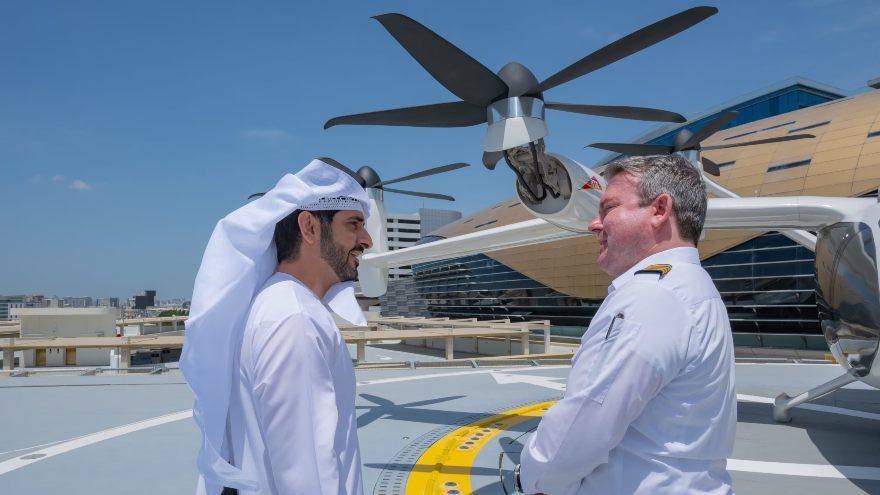
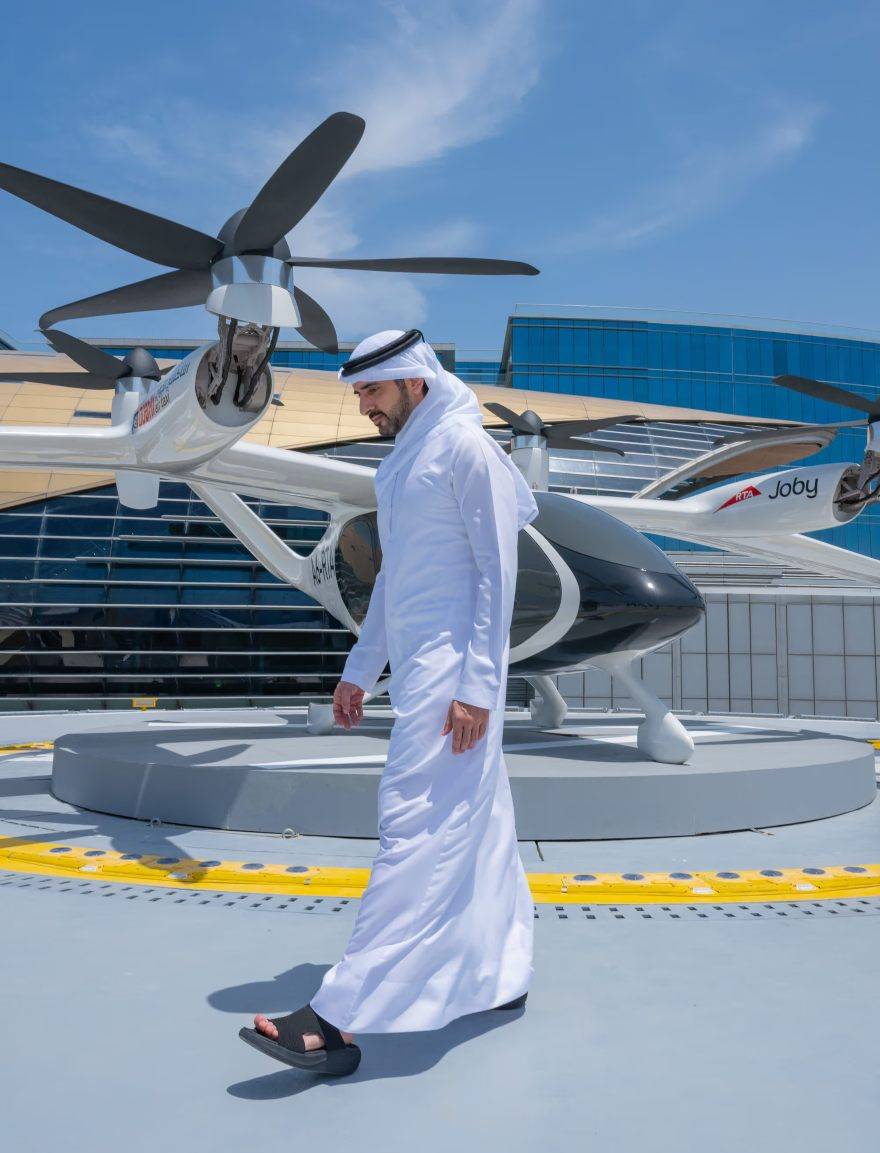
DUBAI – His Highness Sheikh Hamdan bin Mohammed bin Rashid Al Maktoum has reviewed the newly completed Air Taxi station near Dubai International Airport, marking a significant milestone in the emirate’s ambition to lead the future of urban mobility.
The Crown Prince of Dubai, Deputy Prime Minister and Minister of Defence described the project as a strategic leap aligned with Dubai’s long-term vision for innovation-driven infrastructure.
The visit coincides with the first edition of World Public Transport Day, underscoring Dubai’s continued push to position itself as a global model for integrated and sustainable mobility systems. His Highness Sheikh Hamdan highlighted the emirate’s commitment to expanding transport options through the seamless integration of metro, buses, smart mobility and now advanced air transport solutions.
Today, I reviewed the progress of Dubai’s air taxi station, the first of its kind in the world, located near Dubai International Airport. The station is ready and forms part of a wider network including Downtown, Palm Jumeirah, and Dubai Marina, which will be completed by the end… pic.twitter.com/cq0nvZbXAH
— Hamdan bin Mohammed (@HamdanMohammed) April 16, 2026
He stated that the completion of the Air Taxi station represents another step towards translating visionary planning into tangible infrastructure, reinforcing Dubai’s role as a global hub for future-ready technologies and urban efficiency.
Air Taxi station
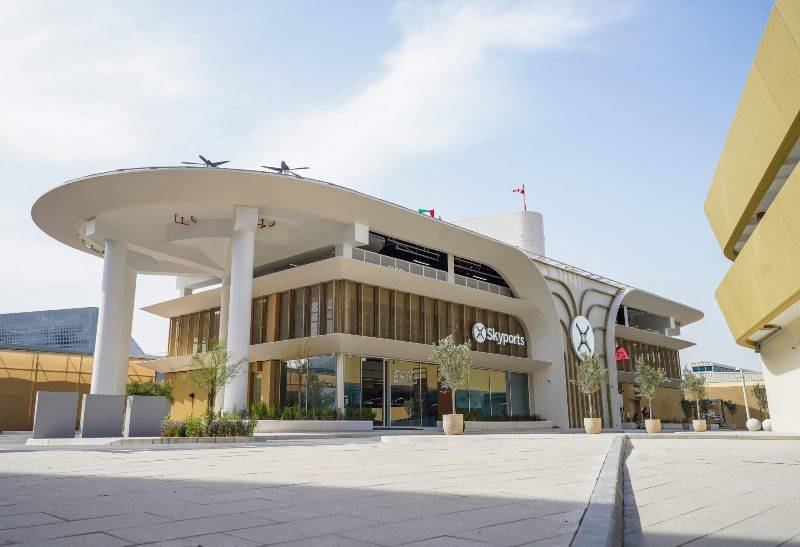
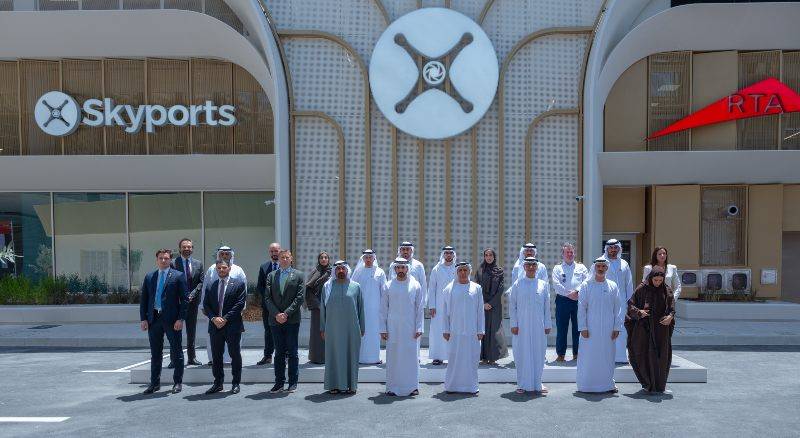
Located near Dubai International Airport, the purpose-built facility is the first dedicated Air Taxi station of its kind globally. Developed by Skyports Infrastructure, the station is designed to serve as the central hub for electric vertical take-off and landing aircraft operations in Dubai.
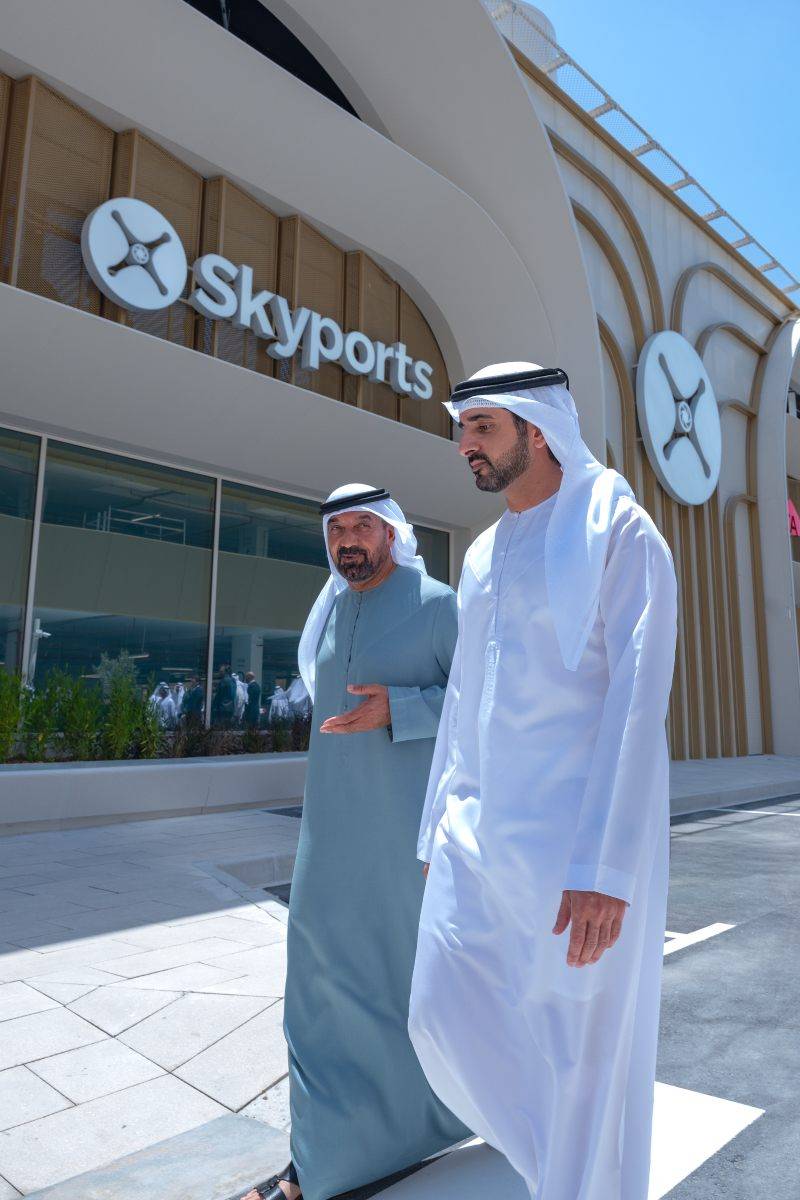
His Highness Sheikh Hamdan was accompanied during the review by Sheikh Ahmed bin Saeed Al Maktoum, alongside senior officials including Mattar Al Tayer, Director General of Dubai’s Roads and Transport Authority (RTA), and representatives from aviation and infrastructure partners.
The Crown Prince reaffirmed that Dubai is committed to building an integrated, multi-layered transport ecosystem powered by advanced technologies. The addition of Air Taxi services is expected to enhance connectivity across the emirate while improving overall transport efficiency and quality of life for residents and visitors.
Advanced design
The station itself is a four-storey structure spanning 3,100 square metres. It includes two dedicated take-off and landing pads, a two-level car park and purpose-built charging infrastructure for electric aircraft.
Passenger facilities within the station have been designed to meet high international safety and comfort standards. Climate-controlled waiting areas and streamlined boarding systems are expected to support a capacity of up to 170,000 passengers annually.
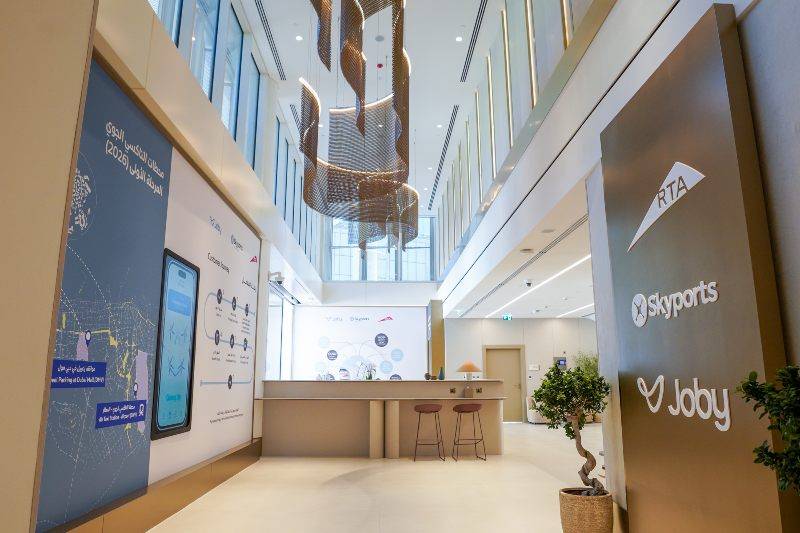
Operational responsibilities are divided among key partners. Skyports Infrastructure oversees the design, development and operation of the station, while Joby Aviation manages aircraft manufacturing, operations and passenger services. The RTA is responsible for governance and ensuring full integration with Dubai’s wider public transport network.
Officials noted that the project reflects Dubai’s advanced regulatory readiness and its ability to incorporate emerging mobility technologies into existing infrastructure systems.
Faster journeys
The Air Taxi service is expected to significantly reduce travel times between major destinations in Dubai. According to RTA, a journey from Dubai International Airport to Palm Jumeirah will take approximately 10 minutes, compared to around 45 minutes by car.
This time saving is seen as a key advantage in a city known for its rapid growth and high levels of daily mobility demand. The service is designed to complement existing transport options rather than replace them, forming part of a broader multimodal network.
Integration with metro lines, buses and shared mobility solutions such as electric scooters and bicycles is expected to create seamless end-to-end journeys for passengers. Authorities emphasised that this interconnected approach will help ease congestion while enhancing the overall user experience.
Mattar Al Tayer confirmed that the RTA is progressing steadily towards launching commercial Air Taxi operations by the end of the year. He noted that the initiative aligns with Dubai’s ambition to remain at the forefront of smart and sustainable mobility innovation.
Flight testing
The completion of the station follows an intensive period of testing and operational development by Joby Aviation. In November 2025, the company successfully conducted the UAE’s first piloted point-to-point Air Taxi flight, covering a 17-minute journey from its Margham test facility to Al Maktoum International Airport.
This milestone was supported by a broader flight campaign that included 21 piloted test flights conducted during peak summer conditions. The tests were designed to validate aircraft performance in high temperatures and low-density air environments typical of the region.
Data gathered during these trials has contributed to refining thermal management systems, flight dynamics and operational procedures. It also supports the ongoing certification process required for commercial deployment.
To accelerate readiness, Joby is pursuing a dual certification strategy that leverages data validated by the U.S. Federal Aviation Administration while working closely with the UAE’s General Civil Aviation Authority. This approach is intended to streamline regulatory approval and facilitate a smooth transition to passenger operations.
Electric future
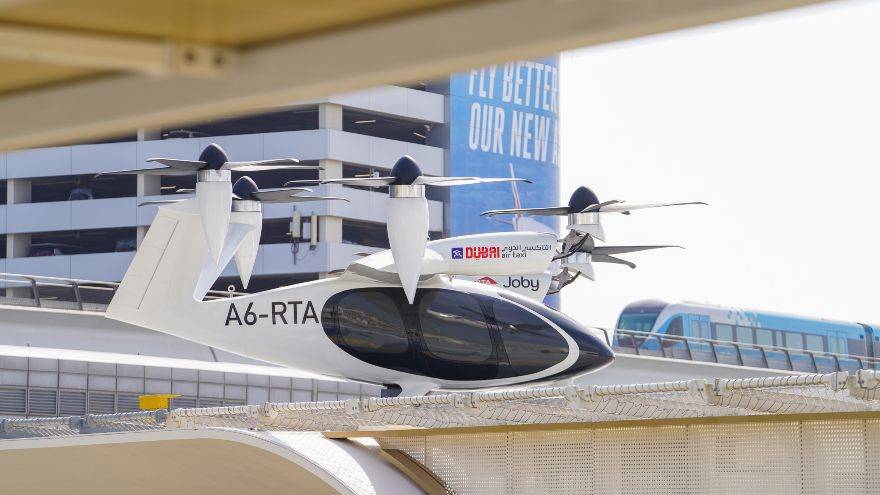
At the centre of the initiative is the Joby Air Taxi, a fully electric aircraft designed for vertical take-off and landing. The aircraft produces zero operational emissions, aligning with Dubai’s sustainability goals and broader environmental commitments.
In addition to its environmental benefits, the aircraft is engineered for reduced noise levels. Its acoustic profile is designed to blend into the ambient urban soundscape, making it significantly quieter than conventional helicopters.
Hamdan bin Mohammed reviews newly completed Air Taxi Station near Dubai International Airport, the first facility of its kind in the world. @rta_dubai I @jobyaviation I @Skyports_Infra pic.twitter.com/X9Yjd7rIvo
— Dubai Media Office (@DXBMediaOffice) April 16, 2026
The Air Taxi is also built to deliver high levels of safety and passenger comfort, incorporating advanced technologies that support stable and efficient flight. These features are expected to make it a viable alternative for short-distance urban travel.
Industry stakeholders describe the introduction of Air Taxi infrastructure as a transformative development in how cities approach mobility. The combination of electric propulsion, vertical flight capability and integrated transport systems is expected to reshape urban travel patterns in the coming years.
Network expansion
The station near Dubai International Airport forms part of a wider network planned across the city. Additional Air Taxi stations have already been announced for Downtown Dubai, Dubai Marina and Palm Jumeirah.
By 2026, the initial network is expected to include four stations, creating a connected system that links key residential, commercial and tourist destinations. This phased rollout is designed to ensure operational efficiency while allowing for future expansion based on demand.
Under an agreement with the RTA, Joby Aviation holds exclusive rights to operate Air Taxi services in Dubai for a period of six years. As part of its long-term commitment to the emirate, the company has established a local operating entity and is focusing on building a workforce within the UAE.
Plans are in place to recruit the majority of operational staff and pilots locally, contributing to the development of specialised skills in advanced air mobility within the region. This approach supports Dubai’s broader economic strategy of fostering innovation and creating high-value employment opportunities.
Officials indicated that the Air Taxi initiative is not only a transport project but also a step towards positioning Dubai as a global testbed for next-generation mobility solutions, combining infrastructure, regulation and technology in a single integrated ecosystem.